





About the Conference
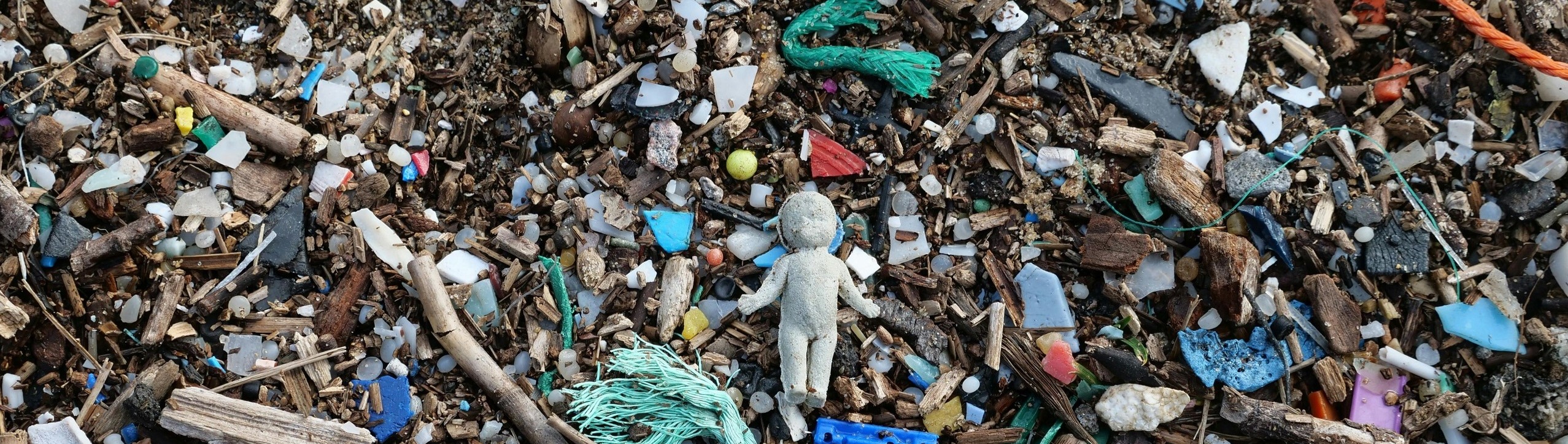
Global plastic pollution is on the rise, with micro- and nanoplastic particles and plastic-associated chemicals of concern, posing threats to the environment and human health. Assessing those risks requires detailed understanding of the sources of plastic pollution and of the fate and transport mechanisms of micro- and nanoplastic that determine environmental and human exposures and uptake pathways. Join global experts studying the environmental and human health impacts of micro- and nanoplastics and associated chemicals.
This international event will for the first time bring together interdisciplinary researchers, public and private sector practitioners from environmental, health, social, behavioural and political backgrounds to catalyse discussions of the interconnected plastic challenges in a One Health context. The five-day event will feature keynote talks, interactive panels and research showcases designed to spark meaningful dialogue and innovative approaches. With a strong focus on cross-disciplinary collaboration, the conference welcomes academics, policymakers, students, and industry professionals alike.
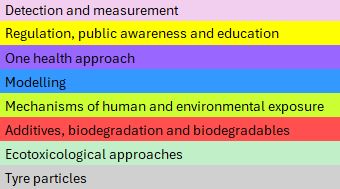
The conference will cover a broad range of topics including:
- Interdisciplinary One Health approaches tackling plastic pollution as a systemic challenge
- Ecotoxicological and toxicological studies revealing the human and environmental health risks of micro- and nanoplastic uptake
- Determining the mechanisms of human and environmental exposures through identification of the sources and fate of micro- and nanoplastics and plastic-associated chemicals
- Detection, measurement and modelling of plastic pollution across diverse environments, spatial and temporal scales
- Examples and approaches of plastic governance, regulation and policy
- Waste management and circular economy innovations
- Public awareness initiatives fostering education and behavioural change
Additional Events
- Conference Banquet
- Early-Career Networking Workshop
- Panel Round Table
- Arts Performances
- Interdisciplinary Events
- 5k Run
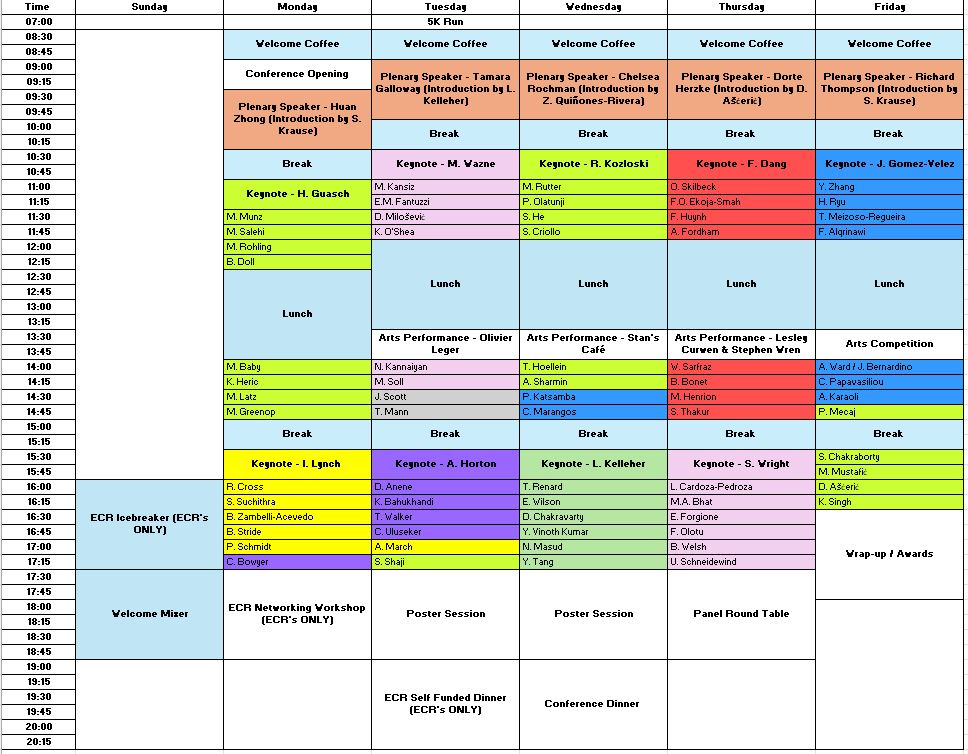
MnP26 Conference Daily Schedule
Sunday 5th July 2026
Time | Session / Details |
16:00 | Student & ECR Icebreaker – Elm House |
17:30 | Welcome Mixer – Elm House |
Monday 6th July 2026
Time | Session / Details |
08:30 | Registration / Welcome Coffee |
09:00 | Conference Opening |
09:30 | Plenary Talk – Huan Zhong, Nanjing University Quantifying the Hidden Threat of Microplastics to Global Primary Productivity and Food Security |
10:30 | Break |
11:00 | Keynote – H. Guasch, Blanes Centre for Advanced Studies – Spanish National Research Council (CEAB – CSIC) Microplastic (MC) pollution may not follow the patterns of other pollutants in mediterranean watersheds |
11:30 | M. Munz, University of Potsdam Polymer-specific transfer and retention of microplastics at the river–sediment–groundwater interface |
11:45 | M. Salehi, University of Missouri Microplastic Release from Polymer-Coated Controlled-Release Fertilizers in Agricultural Soils |
12:00 | M. Rohling, ETH Zurich Association of microplastics with water-stable aggregates formed under laboratory conditions |
12:15 | B. Doll, North Carolina State University Establishing links between stormwater-derived macroplastics and microplastics in a freshwater riverine system in North Carolina, USA |
12:30 | Lunch |
14:00 | M. Baby, IFP Energies Nouvelles From lab to environment: does accelerated UV aging replicate natural abiotic aging of microplastics? |
14:15 | K. Heric, Victoria University Microbial degradation of microplastics for wastewater treatment |
14:30 | M. Latz, Helmholtz Centre for Environmental Research The four seasons of micro-and nanoplastics in the air |
14:45 | M. Greenop, UK Centre for Ecology & Hydrology (UKCEH) Linking microplastics in effluent to potential wastewater treatment work sources |
15:00 | Break |
15:30 | Keynote – I. Lynch, University of Birmingham Towards a complete Microplastics Ontology (MPO) to support microplastics research and risk assessment |
16:00 | R. Cross, UK Centre for Ecology & Hydrology (UKCEH) A risk prioritisation approach for intentionally added MPs for a UK regulatory context |
16:15 | S. Suchithra, Technical University of Munich (TUM) Comparative governance of global plastics treaty ambition: the EU, UK, and India |
16:30 | B. Zambelli, University of Pisa Microplastic Pollution in Groundwater: Public Risk Perception Amongst Domestic Water Users in Italy and Field Evidence from a study site in Tuscany (Italy) |
16:45 | B. Stride, Ramboll Good practice guidance: Managing microplastics in construction projects |
17:00 | P. Schmidt, BASF SE Microplastic Impact Assessment: How Joint Efforts Across Sectors Can Help Reduce Persistent Microplastic Release |
17:15 | C. Bowyer, University of Portsmouth Ingestion of terrestrial plastic pollution by free-roaming livestock, including working donkeys: an interdisciplinary assessment |
17:30 | ECR Networking Workshop |
Tuesday 7th July 2026
Time | Session / Details |
07:00 | 5k Conference Run (Registrants Only) |
08:30 | Welcome Coffee |
09:00 | Plenary Talk – Tamara Galloway, University of Exeter Reducing plastic waste in the Galapagos and Eastern Pacific: A ONE HEALTH Evaluation |
10:00 | Break |
10:30 | Keynote – M. Wazne, Université Claude Bernard Lyon 1 Microplastic effects on bioturbation: beyond individual endpoints toward fundamental ecosystem processes |
11:00 | M. Kansiz, Photothermal Spectroscopy Corp Smaller plastics, bigger risks: submicron infrared spectroscopy reveals nanoplastics and microplastics previously beyond detection |
11:15 | E. M. Fantuzzi, Cambridge Raman Imaging Srl Single-shot multiplex SRS: a platform for microplastics detection and quantification |
11:30 | D. Milošević, University of Niš Towards Standardized Microplastic Assessment in Karst Groundwater: Systemic Regional Evidence from the Balkans |
11:45 | K. O’Shea, University of Leeds Quantification of microplastic contamination found in food waste digestate |
12:00 | Lunch |
13:00 | Demonstration by PerkinElmer |
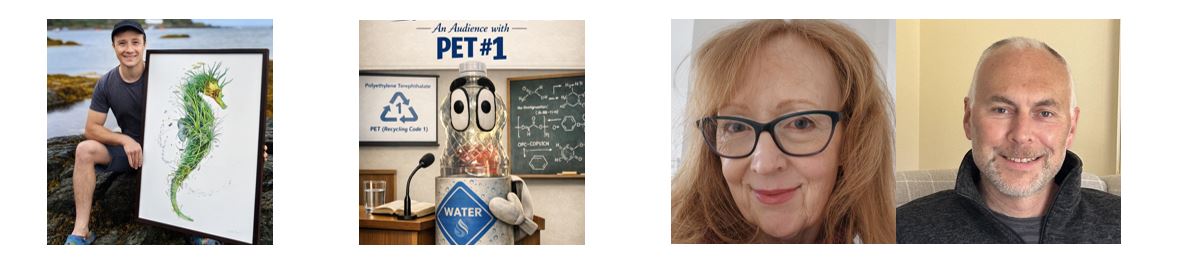
13:30 | Arts Performance – Olivier Leger |
14:00 | N. Kannaiyan, King Fahd University of Petroleum & Minerals Distribution, Morphological Characterization, and Ecological Implications of Plastic Pellets (Nurdles) on Jana Island, Arabian Gulf |
14:15 | M. Soll, Frontier Laboratories Europe “Up in the air, deep on the ground” – Quantification & Identification of Microplastics in Marine Sediments and Air by Pyrolysis-GC/MS |
14:30 | J. Scott, University of Illinois Bridging continents to track tyre wear microplastics: integrated analytical, experimental and hydrodynamic insights from a UK–US partnership |
14:45 | T. Mann, PerkinElmer Investigation of congestion charge efficacy on tyre-derived elastomer |
15:00 | Break |
15:30 | Keynote – A. Horton, Marine Biological Association of the UK Understanding the complex interplay of microplastics and multistressors to predict and minimise future risk |
16:00 | D. Anene, Coventry University Human behaviour and microplastic toxicity: a combined assessment of exposure from surgical face masks |
16:15 | K. Bahukhandi, University of Petroleum and Energy Studies (UPES) Micro- and Nanoplastics in Freshwater Systems: A One Health Perspective on Environmental Transport, Chemical Interactions, and Human Exposure |
16:30 | T. Walker, Dalhousie University A One Health approach for sustainable plastic use in agriculture |
16:45 | C. Uluseker, UK Centre for Ecology & Hydrology (UKCEH) Quantifying environmental emissions and exposure of intentionally added microplastics in the uk to support one health risk management |
17:00 | A. March, University of Portsmouth A coordinated national policy response to microplastic pollution – evidence from the UK parliamentary inquiry |
17:15 | S. Shaji, National Institute of Technology Andhra Pradesh Unravelling microplastic–heavy metal interactions: mechanistic insights into cu (ii) adsorption in soil |
17:30 | Poster Session |
19:00 | ECR Social Event – The Plough (Registrants Only) |
Wednesday 8th July 2026
Time | Session / Details |
08:30 | Welcome Coffee |
09:00 | Plenary Talk – Chelsea Rochman, University of Toronto The pELAstic project: a whole lake experiment on the fate and effects of microplastic pollution |
10:00 | Break |
10:30 | Keynote – R. Kozloski, Desert Research Institute (DRI) Solid waste management practices in riparian communities are a key driver of microplastic concentrations in the Mekong River, Cambodia |
11:00 | M. Rutter, University of Warwick Drivers of microplastic infiltration into fluvial sediment: investigating hydrodynamic and morphological influences |
11:15 | P. Olatunji, University of Warwick Experimental study of solute and polyethylene dispersion in the nearshore region |
11:30 | S. He, Imperial College London Macroplastic dynamics in the surf zone via hydrodynamic experiments |
11:45 | S. Criollo, Aalborg University When normal operation is not harmless: micro- and nanoplastic release from drinking water pipes |
12:00 | Lunch |
13:00 | Demonstration by DaVinci |
13:30 | Arts Performance – Stan’s Cafe – My Plastic Life: An audience with PET #1 |
14:00 | T. Hoellein, Loyola University Storm mediated transport of plastic pollution in urban watersheds |
14:15 | A. Sharmin, Loughborough University Playground pollution: physicochemical degradation pathways and secondary microplastic generation from synthetic turf under photo-oxidative stress |
14:30 | P. Katsamba, Cyprus University of Technology A microscale modelling lens on microplastic fibres |
14:45 | C. Marangos, The Cyprus Institute Modelling pollutant release from degrading microplastic fibres |
15:00 | Break |
15:30 | Keynote – L. Kelleher, University of Birmingham Microplastics in cryosphere: from snow and air in Svalbard |
16:00 | T. Renard, Ludwig-Maximilians Universität München Impact of the spillage of plastic pellets by totalenergies petrochemicals feluy (Belgium) on soil meso- and microfauna |
16:15 | E. Wilson, University of Manchester Polyethylene terephthalate nanoplastics significantly effect the life history traits of daphnia magna |
16:30 | D. Chakravarty, University of the West of England An ecotoxicological assessment of polyethylene microplastics and water warming on UK river macrophytes |
16:45 | Y. V. Kumar, University of Edinburgh Using single-cell analysis techniques to elucidate the toxic effects of polystyrene nanoplastics on environmental microorganisms |
17:00 | N. Masud, Cardiff University Plastic Fish: assessing the impacts of micro- and nanoplastics, chemical additives, and biobased alternatives using freshwater fish models |
17:15 | Y. Tang, Southern University of Science and Technology Interactions and co-evolution of microplastic and surface biofilms in sedimentary environments |
17:30 | Poster Session |
19:00 | Conference Dinner – Lapworth Museum |
Thursday 9th July 2026
Time | Session / Details |
08:30 | Welcome Coffee |
09:00 | Plenary Talk – Dorte Herzke, NILU Microplastic and human health, Sources, exposure and effects |
10:00 | Break |
10:30 | Keynote – F. Dang, Institute of Soil Science, Chinese Academy of Sciences Microplastics trigger metal transformation in the environment |
11:00 | O. Skilbeck, University of Leeds The effect of preparation, dyeing and finishing treatments on the biodegradation of cellulosic microfibres |
11:15 | F. O. Ekoja-Smah, University of Roehampton Freshwater biofilm activity on aged, unaged, conventional and biodegradable microplastics |
11:30 | F. Huynh, Polymateria Masterbatch-enabled acceleration of polyolefin biodegradation under open-air terrestrial environmental conditions |
11:45 | A. Fordham, University of Birmingham / Polymateria Correlating Accelerated and Outdoor Weathering of Polypropylene Film and Its Biodegradation in Soil Across Diverse Climatic Conditions |
12:00 | Lunch |
13:00 | Demonstration by PerkinElmer |
13:30 | Arts Performance – ‘Permanence’ by Lesley Curwen and Stephen Paul Wren |
14:00 | W. Sarfraz, Griffith University Soil texture regulates bioplastic-induced nitrogen priming and n₂o emissions under repeated wetting–drying cycles |
14:15 | B. Bonet, Blanes Centre for Advanced Studies – Spanish National Research Council (CEAB-CSIC) Warming amplifies bioplastic carbon subsidies and promotes a shift toward heterotrophy in freshwater microbial communities |
14:30 | M. Henrion, University of Lleida Do microplastics from biodegradable mulches remain in mediterranean crop fields? |
14:45 | S. Thakur, Himachal Pradesh University Microbial mitigation of polystyrene microplastic ecotoxicity in wheat: linking soil exposure, food-chain transfer, and one health |
15:00 | Break |
15:30 | Keynote – S. Wright, Imperial College London Development and application of a Raman microspectroscopy workflow for the analysis of micro- and nanoplastics in human blood |
16:00 | L. G. Cardoza-Pedroza, Université Claude Bernard Lyon 1 Water content in soils: a complex parameter in microplastic risk assessment to groundwater |
16:15 | M. A. Bhat, Loughborough University Quantification of microplastic fibre and nanoparticle emissions from textiles during washing |
16:30 | E. Forgione, Villanova University Potential for removal of microplastics in infiltrating green stormwater infrastructure systems: a study of two sites of different ages |
16:45 | F. Olotu, WRc Group |
17:00 | B. Welsh, Trent University Microplastic pools and fluxes in a rural headwater lake catchment |
17:15 | U. Schneidewind, University of Birmingham Microplastics in groundwater systems – outcomes of a world-wide sampling campaign |
17:30 | Panel Round Table – Future of an International Plastic Treaty Moderator Stefan Krause, University of Birmingham Panellists Richard Thompson – University of Plymouth Iseult Lynch – University of Birmingham Dragana Ašćerić – University of Niš, Serbia |
Friday 10th July 2026
Time | Session / Details |
08:30 | Welcome Coffee |
09:00 | Plenary Talk – Richard Thompson, University of Plymouth Plastic Pollution: what progress are we making to address this global environmental challenge? |
10:00 | Break |
10:30 | Keynote – J. Gomez-Velez, The University of Iowa The Plastic Pulse: Understanding Fate and Transport in the World’s Rivers |
11:00 | Y. Zhang, Imperial College London Combining 3D experimentation and high-fidelity numerical simulations to resolve bubble-microplastic interactions |
11:15 | H. Ryu, Kangwon National University Development of a Physically – Based Nanoplastic Transport Model in Saturated Porous Media Using QCM-Derived Interfacial Parameters |
11:30 | T. Meizoso-Regueira, Freie University of Berlin Microplastics drive both gradual and abrupt shifts in soil multifunctionality along concentration gradients |
11:45 | F. Alqrinawi, University of Birmingham Eulerian-Lagrangian Framework for Modelling Microplastic Transport in Fully Saturated Porous Media: Effects of Size, Density, and Inlet Velocity |
12:00 | Lunch |
13:30 | Art Competition |
14:00 | A. Ward, STFC Central Laser Facility / J. Bernardino, ICL The influence of pulmonary surfactant on microplastic toxicity in alveolar models |
14:15 | C. Papavasiliou, NovaMechanics Ltd. Microplastictox and EffectFactorCalc web applications: life cycle impact assessment of microplastic pollution |
14:30 | A. Karaoli, NovaMechanics Ltd. Molecular dynamics simulations of temperature-dependent pet binding in petase, thermopetase, and fast-petase |
14:45 | P. Mecaj, Université Claude Bernard Lyon 1 Microplastic Transport from Surface Water to Groundwater Associated with an Aquifer Recharge Practice |
15:00 | Break |
15:30 | Chakraborty, Birla Institute of Technology Microplastics in eastern Indian drinking water reservoirs: a study on spatial variation and risk implications |
15:45 | M. Mustafić, University of Niš Groundwater dynamics as a driver of microplastic transport in saturated sediments: laboratory evidence with and without bioturbation |
16:00 | D. Ašćerić, University of Niš Earthworm-driven redistribution of surface-applied mulching film microplastics in irrigated soil columns |
16:15 | K. Singh, National Institute of Technology Delhi Airborne microplastics during a major firework event: concentrations, sources and inhalation exposure |
16:30 | Wrap-up /Awards |
MnP26 Conference Posters
One Health approaches tackling plastic pollution and human health risks |
1. D. Marshall, Instruct – ERIC FHERITALE: Food, health and environment research infrastructures to tackle the impact of micro and nanoplastics with a one health approach |
2. J. Singh, University of Birmingham The Silent Nexus: Unveiling the Interplay Between Microplastics and Climate Change |
Ecotoxicological approaches to environmental health risks |
3. A. Bakir, Centre for Environment, Fisheries and Aquaculture Science Top litter items causing harm to UK species and habitats: Findings from a rapid review |
4. S. Plaistow, C. Trivedi, University of Liverpool Effects of nanoplastic (=100 nm) exposure on daphnia: a meta-analysis |
5. M. Nashashibi, Leibniz Institute of Freshwater Ecology and Inland Fisheries When pollutants interact: triclosan reverses nanoplastic-induced parasite infection in Daphnia galeata |
6. T. Ezeorba, University of Birmingham Comparative Toxicity of Polyethylene and Polypropylene Nanoplastics with Distinct Physicochemical Profiles in Zebrafish Embryonic Cells |
7. E. Brun, University of Birmingham Toxicity of cosmetic-grade microplastics on zebrafish embryonic cells |
8. S. Ghobish, James Cook University Design, Synthesis, Plasticization Efficiency and Toxicological Effects of Novel Biobased Plasticizers |
Mechanisms of human and environmental exposure to MnP and their additives |
9. A. Bermúdez Moreno, Universidad Autónoma Metropolitana Exposure to microplastics from cosmetics |
10. R. Permana, University of Birmingham Uptake kinetics and biodistribution of nanoplastics in daphnia magna across multiple exposure routes |
11. H. Margenat, Centre d’Estudis Avançats de Blanes (CEAB-CSIC) What do biofilms hide? Microplastic retention in benthic biofilms |
12. A. Fadakar, University of Birmingham Sustainable Bacterial Cellulose Layers for the Reduction of Micro/Nanoplastic Pollution and Water Quality Enhancement |
13. J. Hogarh, Kwame Nkrumah University of Science and Technology Microplastic contamination in tributary rivers of the Owabi Reservoir, Ghana: Implications for urban drinking water sources |
14. N. Grassineau, University of London Secondary sources of MP from active and historical landfills, and consequence for groundwater |
15. K. Liu, University of Birmingham Underestimated Activity-based Microplastic Intake under Scenario-specific Exposures |
Detection and measurement of MnP |
16. J. Davison, The Catholic University of America Fate and Transport of Receipt Litter |
17. J. Burt, Malvern Panalytical Ltd A versatile toolkit for the characterisation of reference microplastic test materials |
18. K. Li, University of Birmingham The Effect of Polymer Type and Particle Concentration on Microplastic Transport Mechanisms in Saturated Porous Media
|
19. A. Anjali, University of Birmingham Transport and Fate of Micro- and Nanoplastics in Soil: A Comprehensive Systematic Review of Column Experiments |
20. C. Price, Queen’s University Belfast Investigating microplastic release from microwave-sterilisable infant feeding bottles using laser direct infrared imaging spectroscopy |
21. S. Forstmann, Stanford University Quantifying Macro and Microplastic Contamination in Commercial Compost from: a Western U.S Agricultural Region |
22. D. Cornejo, Spanish National Research Council Opimization of methods for qualitative and quantitative analysis of microplastics at catchment scale |
23. M. Arienzo, Desert Research Institute Reno Wintertime Deposition of Microplastics to the Sierra Nevada, United States |
24. L. Haverson, University of Birmingham Riverine microplastics bedload transport and its storage legacy |
25. N. Trevino Fernandez, University of Birmingham Feathers and faeces as non-invasive tools for identifying and quantifying plastic polymers carried by terrestrial passerines |
26. H. Kim, Kangwon National University Pyroplastics on Sandy and Pebble Beaches in the Anthropocene: Occurrence, Environmental Implications, and Adsorption–Kinetic Modelling |
27. K. Ulewicz, IPC PAS True Uptake or Dye Leakage? Overcoming Artifacts in Nanoplastic Bioimaging |
28. F. Radford, University of the West of England From ocean to coast: Towards dynamic marine litter monitoring in the Azores |
29. R. Cross, UK Centre for Ecology & Hydrology (UKCEH) Towards fit for purpose monitoring of microplastics |
Regulation, public awareness and education |
30. L. Mensah, Kwame Nkrumah University of Science and Technology Microplastic contamination and human exposure rate from household groundwater filtration and storage systems in Adansi-North District, Ghana |
31. D. Thompson, Stan’s Café The Many Lives of PET #1 |
Waste management and circular economy innovations |
32. S. Katiyar, University of Birmingham Developing a Circular Economy for Medical Plastics |
Modelling |
33. Z. Chen, University of Birmingham A novel Eulerian–Lagrangian numerical framework for microplastic transport at surface water–sediment interfaces |
34. Y. Liang, University of Manchester Realistic Model Nanoplastics for Environmental and Biological Insights |
35. A. Haldar, University of the Shannon Midlands Midwest Identification and Characterisation of Microplastics in the Shannon and Zambezi Rivers Using Advanced Material Characterisation Techniques Integrated with Machine Learning techniques |
Tyre particles |
36. S. Yadav, University of Birmingham How Much Tyre and Road Wear Particles Does Urban Vegetation Capture? |
Elemental cycles |
37. D. Tripathi, Institute of Nuclear Medicine & Allied Sciences (INMAS) From River to Aquifer: Coupled Heavy Metal-Microplastic Dynamics Across the Surface Water–Groundwater Interface |
38. W. Sarfraz, Griffith University Polymer degradability and soil texture control carbon mineralisation and microbial carbon processing during bioplastic degradation |
Abstract Submissions
Abstract Guidelines: Submit your abstract using the following format and indicate the session topic your work is aligned with.
- The title of the abstract must be in all caps and must not exceed 160 characters.
- The body of the abstract must adhere to a maximum character count of 1600, including spaces. This is exclusive of the abstract title and the author list. Please make the abstract as informative and representative of your presentation as possible.
- The abstract body should be clear and concise, with abbreviations and acronyms spelled out.
- It should not include citations.
- Please state your preference of presentation (oral/poster).
*Abstract submission for oral talks is now CLOSED. Please do not submit an abstract for this now as you will not be considered. We are still accepting Poster presentation abstracts until the 31st May 2026 (11:59PM Local UK Time). You can still also register to attend by putting N/A in abstract questions at registration*
Register and submit your abstract HERE
——————————————————————————————————————————————————————————
Guidelines for MnP26 Poster Presentations:
Posters will be in display for the entire duration of the congress. You will receive your poster-board location either before or during registration.
Dedicated poster sessions will take place on Tuesday 7th July and Wednesday 8th July at 5:30pm (schedule to be released online soon).
It is strictly prohibited to take photos of any scientific material without the explicit permission from the authors. Authors are therefore asked to indicate explicitly on their poster whether photography is encouraged or not permitted.
- The required poster size is A0 (841 mm x 1189 mm or 33.1 inches x 46.8 inches) in portrait format.
- Place the title of your abstract clearly at the top of the poster to allow viewers to easily identify your work. Indicate the authors’ names and address information in order to allow interested viewers to contact you for more information.
- Use a size sufficient to be read at a distance of 1.5-2.0 m. We recommended using a minimum font size of 16pt.
- There will be pins available to hang your poster at the poster-board. In case of missing pins, please consult our conference assistants in the poster area.
- Conference assistants in the poster area may assist authors in putting up or taking down posters.
Posters need to be removed by Friday noon. After this, conference assistants will remove and discard any remaining posters.
 Location
The conference will take place at the University of Birmingham. The room allocated for the conference is the University Centre, Avon Room Lecture Theatre. Lunch and poster display will take place in the dedicated catering space outside of the room.
The University Centre is centrally located on campus with many places to get food, drinks, and nearby shopping. It is a 5 minute walk from the University train station.

Travel Information
About Birmingham
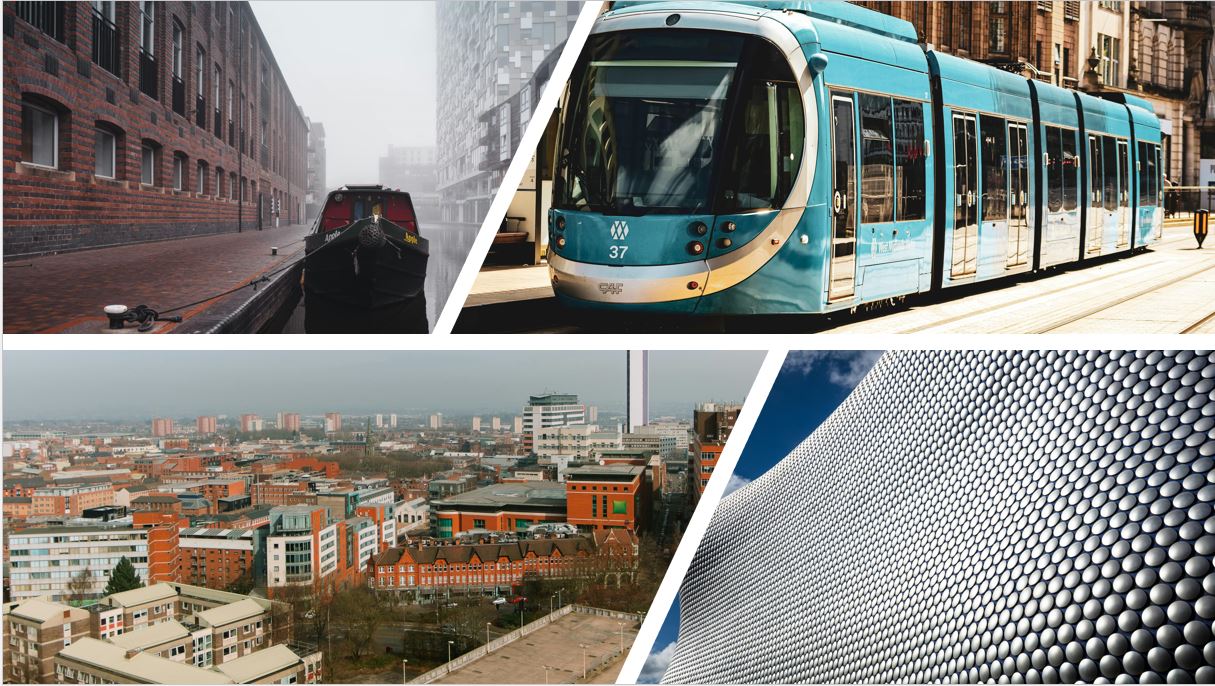
Situated in the heart of the United Kingdom, Birmingham is a dynamic and diverse city celebrated for its rich history, cultural vibrancy, and spirit of innovation. Once at the centre of the Industrial Revolution, the city has evolved into a modern hub for business, education, and creativity, while maintaining the warmth and character that define its heritage.
Birmingham offers something for everyone, from world-class museums, theatres, and galleries to beautiful parks and a thriving food scene that includes several Michelin-starred restaurants. Its extensive canal network, lively shopping districts, and renowned music and cultural festivals make it a city full of energy and discovery.
Well-connected by road, rail, and air, Birmingham serves as an ideal meeting point within the UK. With state-of-the-art venues, excellent accommodation, and a welcoming atmosphere, it provides the perfect backdrop for conferences, events, and exploration alike.
Getting to and from the airport
Visa
How to apply for a visa to come to the UK: Choose a visa – GOV.UK
Accommodation
There is a range of hotels in short proximity to the University of Birmingham:
Edgbaston Park Hotel – on campus
Peter Scott House Birmingham – few minutes away from campus
Ibis Budget Birmingham Centre – approx 5 minutes away in a taxi
Please use online booking tools to find other suitable accommodation. We have a campus train station, with trains running regularly from Birmingham New Street to University, so you could also find suitable accommodation in Birmingham City Centre.
Committee Members & Organizers
Scientific Advisory Committee
Stefan Krause (Conference Chair) – University of Birmingham, UK
Iseult Lynch (Conference Chair) – University of Birmingham, UK
Laurent Simon (Conference Chair) – Université Claude Bernard Lyon 1, France
Liam Kelleher (Conference Chair) – University of Birmingham, UK
Zoraida J. Quiñones-Rivera (Conference Chair) – Université Claude Bernard Lyon 1, France
Jaswant Singh (Conference Chair) – University of Birmingham, UK
Uwe Schneidewind (Conference Chair) – University of Birmingham, UK
Monica Arienzo – Desert Research Institute, USA
Fei Dang – ISSCAS, China
Grace Davies – The University of Queensland, Australia
Helena Guasch – Centre d’Estudis Avançats de Blanes, Spain
Alice Horton – National Oceanographic Centre, UK
Rachel Kozloski – University of Nevada, USA
Stephane Pesce – INRAE, France
Mohammad Wazne – Université Claude Bernard Lyon 1, France
Local Organizing Committee
Suman
PlasticUnderground Doctoral Network Facilitators
Florence Huynh – Polymateria Ltd., UK
Dragana Ašćerić – University of Niš, Serbia
Early Career Researcher Network
A community space for PhDs and postdocs in microplastic research, guided by the PlasticUnderground doctoral network to connect, share opportunities and actively contribute to the conference as early career researchers.
Join the Linkedin group here
-

- Fuad Alqrinawi

-

- Tamara Meizoso
-

- Mike Rohling

-

- Faith Omeyi Ekoja-Smah

-
- Melita Mustafić
-

- Dragana Ašćerić

-

- Bárbara Zambelli Azevedo

-
- Mecaj Petros
-

- Mathilde Henrion

-
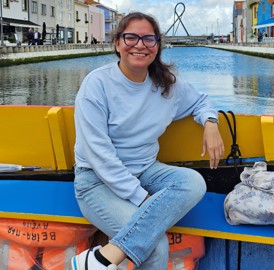
- Lizeth Cardoza Pedroza
Conference Sponsorship
Platinum Sponsor – PerkinElmer
PerkinElmer is a global leader in analytical, measurement, testing, and bespoke life sciences services, serving customers across the life sciences, applied & industrial, and food markets. Drawing on nearly 90 years of pioneering innovation and engineering expertise, we support the science of our customers with insights of the highest standards of safety, quality and compliance for vital therapeutics, the integrity of the global food chain, the performance and sustainability of critical materials, and the sustainability of our environment. Together with scientists, laboratory and quality leaders, and manufacturing operators worldwide, our 5,000 colleagues in 35 countries empower progress by providing trusted insights and services for a healthier, safer, and more sustainable world.
For more information, visit: www.perkinelmer.com
Gold Sponsor – DaVinci Laboratory Solutions and Frontier Labs
Da Vinci Laboratory Solutions UK&I is group of like-minded analytical chemists, customer-focused and driven by innovation. We partner with scientists and laboratories across the academic, pharmaceutical, environmental, and consumer products sectors to provide advanced analytical technologies that solve real-world challenges.
Our portfolio includes F-Lab pyrolysis GC/MS, GERSTEL automation for sample preparation, SYFT real-time mass spectrometry, and Zoex two-dimensional chromatography integrated into new and creative solutions with our partners Agilent Technologies – making cutting-edge methods accessible to the modern laboratory, not just engineering experts and specialists.
Our manufacturer certified engineers are problem-focused and support our customers to minimise downtime and maximise their return, whether that is providing the highest quality testing, the fastest turnaround, or answering any analytical question that is posed.
 Conference Announcement: MnP26 Awards
 Early Career Researcher Award – Oral Presentation
Sponsored by: Eco – Environment & Health
- Prize:
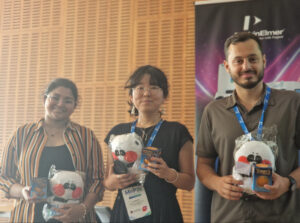
1st – £250 – Sara Criollo
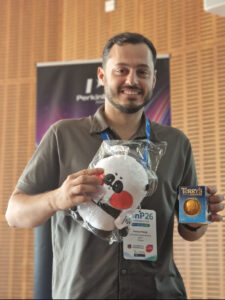
Joint 2nd – £250 – Petros Mecaj, Saifei He & Vinoth Kumar

 Best Poster Award
Sponsored by: Journal of Environmental Exposure Assessment (JEEA)
- Prize: USD 250 – Joint winners, Nina Trevino Fernandez & Zijian Chen

 Best Presentation Award (LMIC)
Sponsored by: Nature
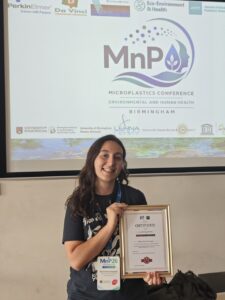
- Prize: Nature Journal Subscription – Karuna Singh

We encourage all participants to showcase their work and take advantage of this opportunity for recognition. We look forward to celebrating excellence in research at MnP26!
Who Should Attend?
- Environmental scientists and engineers
- Health professionals and toxicologists
- Social scientists and policy researchers
- Industry experts in materials, packaging, and waste management
- NGOs and government agencies
- Graduate students and Early-Career Researchers
Registration Fees:
Phd Candidate/ECR Registration £400
Early Bird Registration (now closed) £580
Standard Registration £750
Registration Includes:
- Entry to all conference sessions, exhibitions and poster displays
- Lunch and light refreshments during the main conference days
- 1 Welcome Event ticket for Sunday July 5th (RSVP required)
- 1 Conference Dinner ticket on Wednesday July 8th (RSVP required)
Payments:
Fees to attend the meeting should be paid in advance using the online payment link.